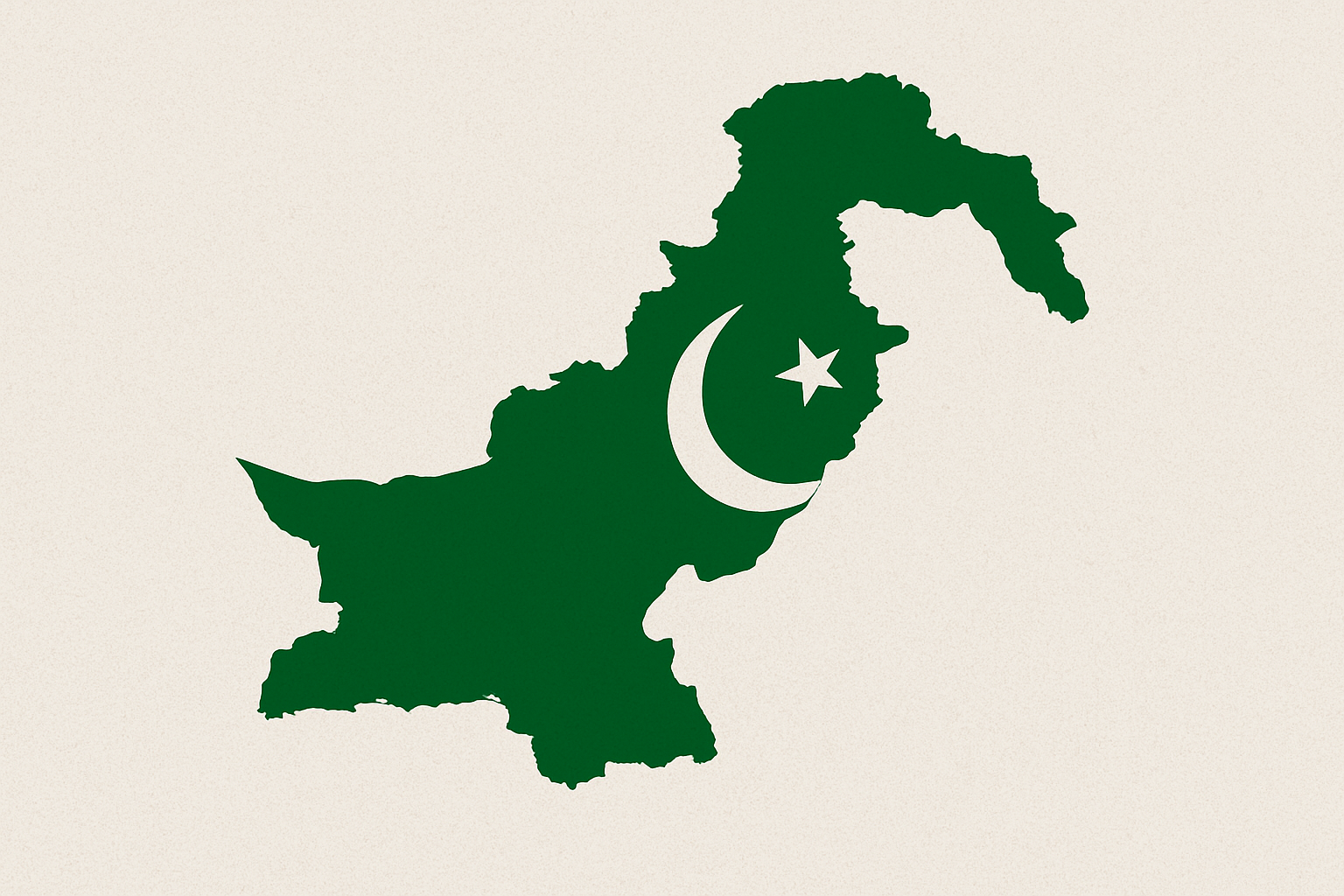
Protests led by the Jammu Kashmir Joint Awami Action Committee (JKJAAC) in Pakistan-administered Kashmir (Azad Jammu & Kashmir, AJK) have put forward a 38-point charter of demands.
Key requests include:
- Free or improved public services (education, healthcare) and major infrastructure projects, such as roads, bridges, airports.
- Eliminating “elite privileges” enjoyed by high officials (e.g. vehicles, fuel allowances, other perks).
- Ending or rethinking the system of reserved seats for refugees in the AJK legislature.
- Relaxing or withdrawing legal cases against protestors, reducing tariffs or costs for utilities, and providing better employment opportunities.
- A comprehensive resettlement package, increased subsistence allowances, restoration of quotas in jobs, etc. – especially by people who came as refugees post-1989.
What Pakistan Has Agreed or Promised So Far
There has been some progress:
- The government has reportedly accepted about 25 of the 38 points in the charter proposed by JKJAAC.
- Measures have been taken on subsides: electricity tariffs have been reduced, and utilities or essentials like wheat/food subsidies have been promised or renewed.
- Some infrastructure commitments are in planning: e.g. re-examining the feasibility of opening or reviving nonoperational airports in the region.
Areas Where Disagreement Remains
Not all demands have been met, and some are stuck in negotiation:
- The reserved seats for refugees remain a major sticking point. Protest leaders want these removed or reformed; the government has been reluctant, citing historical, legal, or moral reasons.
- The demand to abolish or roll back “elite privileges” has also seen resistance. Some of those perks are embedded in institutional structures and enjoy support among segments of the political class.
Pakistan has accepted a large portion of the demands, particularly those that can be implemented via executive action or budgetary allocations (e.g. subsidies, tariff changes, some welfare measures). But more structural or politically sensitive demands (reserved seats, change of legislative structure, removal of entrenched privileges) remain unresolved. The government has expressed willingness to negotiate on these issues.