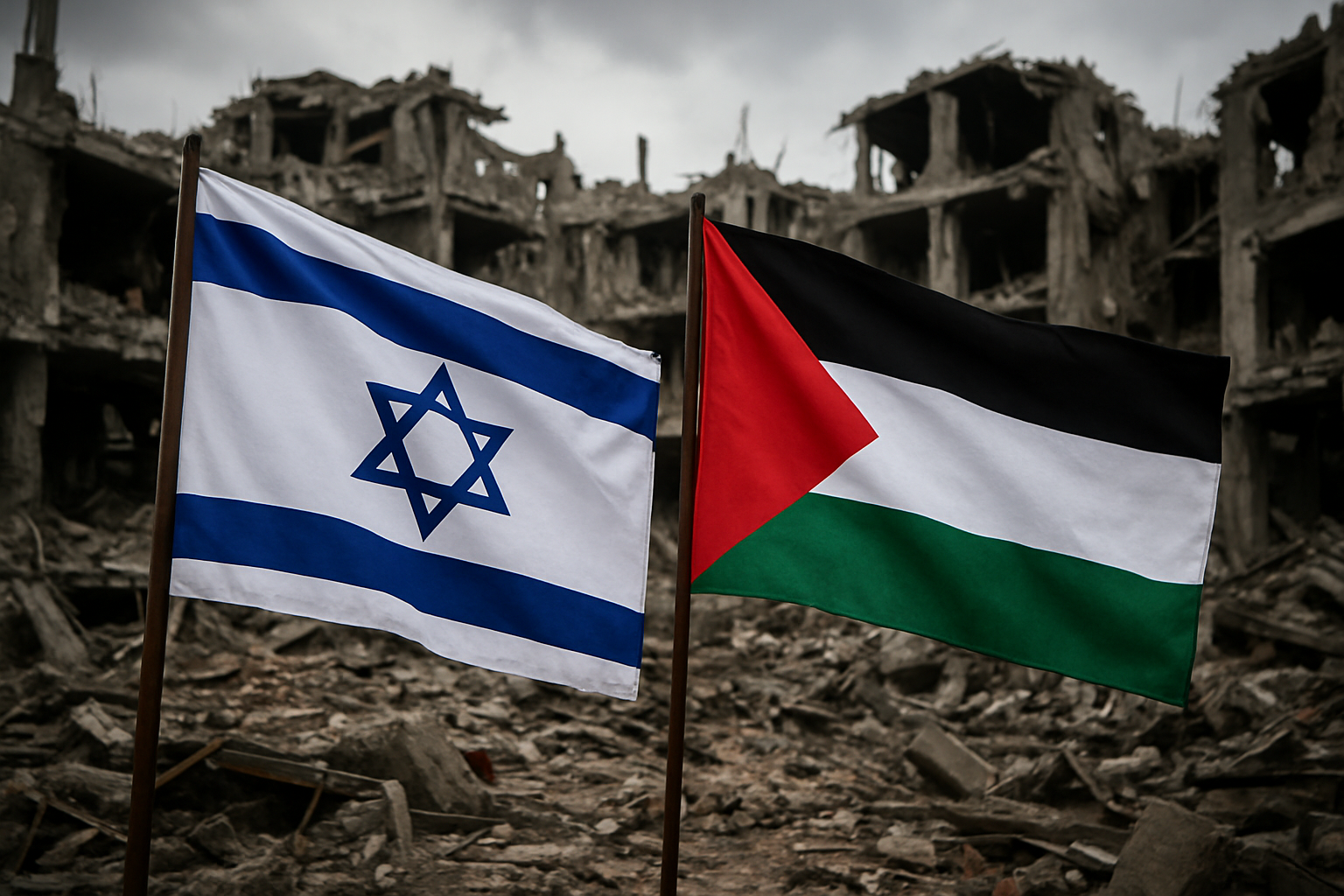
Israeli and Hamas representatives have begun indirect talks in Egypt, aiming to revive a U.S.-backed peace plan and bring an end to nearly two years of war in Gaza.
The negotiations, held in Sharm el-Sheikh under the mediation of Egypt, Qatar, and the U.S., focus on contentious issues such as a ceasefire, the exchange of hostages, Israeli troop withdrawal, and Hamas disarmament. Under the framework of the 20-point plan proposed by President Donald Trump, both sides have expressed support for its broad principles.
Key challenges and demands
- Hostage-prisoner swap: Hamas has agreed to release all remaining hostages alive and deceased in exchange for the release of Palestinian prisoners held by Israel.
- Israel demands: Israel insists on Hamas disarmament and removal of its control in Gaza, while also demanding guarantees that Israel will hold up its end of any deal.
- Uncertainties: Key political and security provisions including governance of Gaza post-deal remain disputed and could derail progress.
Stakes and Prospects
The talks come on the eve of the second anniversary of Hamas’ October 7, 2023 attack on Israel, which ignited the latest conflict. With over 67,000 Palestinians killed (according to Gaza health authorities) and growing international pressure, the urgency for a truce has intensified.
U.S. and Arab mediators are pushing for a swift resolution. Trump has called for negotiators to “move fast” and suggested the first phase of a deal could be wrapped up this week. Some Israeli officials echo cautious optimism, with Prime Minister Benjamin Netanyahu stating he hopes to announce a hostage release soon.
However, observers warn that previous efforts have stumbled over disagreements on enforcement, timing, and trust. Skeptics doubt whether durable peace can be achieved quickly given the deep divisions.
As negotiators enter what many consider the highest-stakes round in years, the world watches to see whether compromise can finally overcome the decades of conflict.