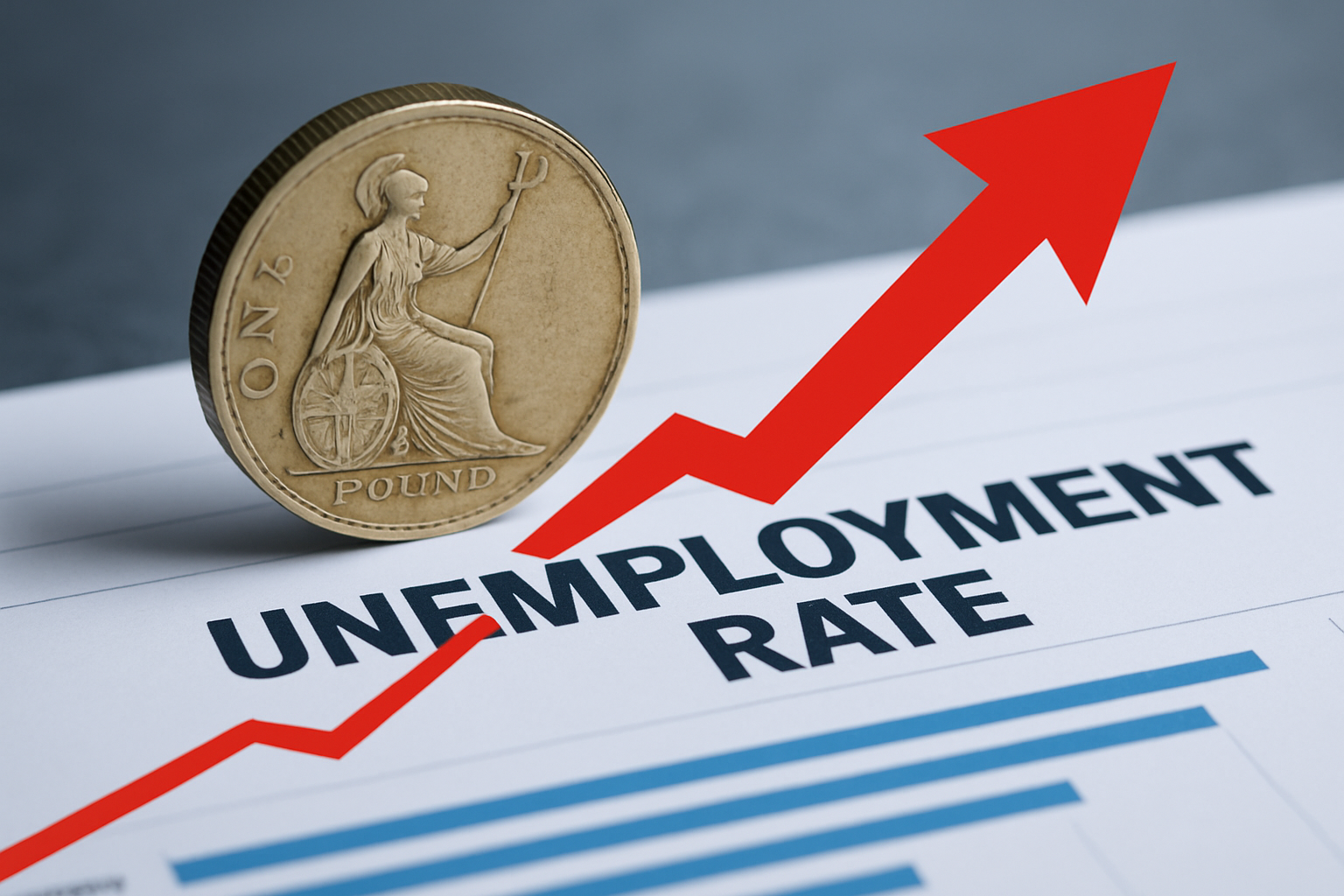
The UK’s unemployment rate rose to 5.0% for the three months to September 2025, the highest level since early 2021. Office for National Statistics (ONS) figures show around 1.8 million people aged 16+ were unemployed in that period.
Payroll employment has also fallen: the number of people on company payrolls declined by 32,000 in October compared with September and by 180,000 over the year. Meanwhile, average annual wage growth excluding bonuses slowed to 4.6 %.
Economists say this reflects growing fragility in the jobs market with weak demand, a cautious business outlook ahead of the upcoming budget and potential tax‑burdens weighing on hiring.
- From a policy‑perspective, the weaker labour market is increasing the likelihood of a rate cut by Bank of England in December, according to market‑pricing and commentary.
- For job‑seekers: more competition and possibly longer job‑search times as firms tread carefully.
- For employees: slower wage growth may mean inflation eats into real incomes.
- For policymakers and businesses: these data heighten pressure to stimulate demand, support employment and consider structural labour‑market challenges (such as youth unemployment).
- For consumers: weaker employment can dampen spending, potentially delaying economic recovery.